Gardening Services in Vauxhall

Gardening Services Vauxhall provides practical, well-organised garden care for homes and shared outdoor spaces in the area, covering routine upkeep, seasonal tidy-ups and more involved improvements. Our work can include regular lawn care, hedge trimming, planting support, garden clearance and landscape updates, all arranged around the condition of the site and the result you want to achieve. The aim is straightforward: keep outdoor spaces usable, tidy and manageable without unnecessary disruption.
Some gardens need light, frequent attention, while others benefit from a more decisive reset before regular maintenance begins. We handle both approaches with a focus on clear scope and sensible sequencing, so each task supports the next. If your outdoor area needs one-off help or a longer-term plan, you can explore the service pages and request a quotation once you are ready.
For a clearer picture of what we do, start with our services overview, which sets out the main types of work we carry out and helps you decide which tasks belong together. From there, the detailed pages explain individual services in a more focused way, so you can compare routine care with more substantial garden changes before making an enquiry.
Routine Garden Maintenance and Ongoing Care
Regular maintenance is often the simplest way to keep a garden under control. Our garden maintenance service is suited to outdoor spaces that need recurring attention across the growing season, including weeding, basic tidying, border care and general upkeep. This kind of work helps prevent small jobs from building into larger ones and makes it easier to keep paths, beds and lawn areas looking organised.
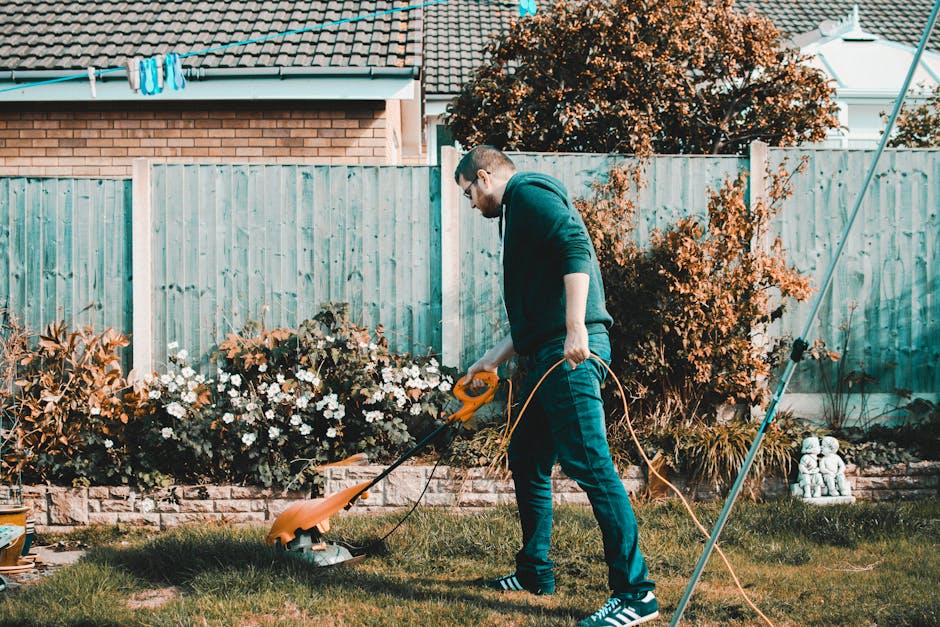
Where the main issue is grass that has become untidy or uneven, lawn mowing provides a direct way to restore a cleaner finish. Cutting height, frequency and edge treatment all matter, especially when lawns have been left for a while or when different areas receive different levels of shade and use. Careful mowing supports healthier growth and gives the whole garden a more settled appearance.
Hedges, edges and the details that frame the garden
Border lines and boundary planting can make a garden look finished, but only if they are kept in shape. Our hedge trimming service is useful when shrubs have started to spread beyond their intended line, block light or lose definition. We can also help with the tidy edges and visible structure that make the rest of the garden easier to maintain, especially where crisp lines improve access or visual balance. Small finishing touches matter.
Clearance, Cut-Backs and Resetting Overgrown Spaces

Some gardens need more than routine attention. If a space has become congested with waste, cuttings, unruly growth or old materials, our garden clearance service can create a clean starting point for future work. This is often the best first step when a garden has not been maintained for some time, or when you want to reclaim beds, paths and corners that are no longer easy to use.
Clearance work can involve lifting and removing accumulated green waste, reducing clutter and opening up space so that other improvements become practical. The exact approach depends on what is present and how the garden is laid out. Some jobs are best handled by removing only the material that is no longer useful, while others need a more thorough clear-down before planting, mowing or landscaping can begin. Accuracy at this stage helps the rest of the project run more smoothly.
When trees are part of the problem, our tree lopping and removal service can address size, shape and safety concerns in a controlled way. Work in this category may be suitable for reducing crowding, managing fallen or unstable material, or removing a tree where that is the most practical option. It is also important to consider surrounding features such as fences, sheds, lawns and neighbouring planting, because a careful approach reduces avoidable disturbance.
Landscaping and Garden Construction
Alongside maintenance and clearance, we also support larger outdoor changes through landscaping. This type of work is appropriate when you want to alter the layout, function or appearance of a garden rather than simply maintain what is already there. It can include reshaping ground, improving access between areas, defining sections for planting or seating, and introducing materials that make the garden easier to use and look after.
For projects that focus more on planting structure, surface changes and the overall arrangement of the space, landscape gardening can provide a more tailored route. This work sits well where you want the outdoor area to feel more deliberate, with choices that suit sunlight, circulation and everyday use. It is especially helpful when the garden needs a clearer design direction rather than isolated fixes.
To support those bigger changes, our decking services can add a raised or level area for sitting, moving between parts of the garden or creating a practical surface where grass is not the best option. Decking can be used as a distinct feature or as part of a wider design, depending on how the garden is being arranged. If you are comparing options, consider both the intended use and the amount of maintenance each surface will need.
About Vauxhall

Vauxhall is a district in inner south London on the south bank of the River Thames, within the London Borough of Lambeth. It sits opposite Pimlico and Westminster across the river and is closely associated with transport links, riverside redevelopment and long-standing industrial history. The area’s name is usually traced to Falkes de Breauté, whose thirteenth-century manor was known as Falkes’ Hall, later transformed through various spellings into Vauxhall. Over time, the district developed from riverside and low-lying land into a busy urban neighbourhood shaped by roads, rail and commercial activity.
One of Vauxhall’s best-known landmarks is Vauxhall Park, which opened in the late nineteenth century and remains a local green space with ornamental features, play areas and open lawns. Nearby, the riverfront includes sections of public walkway and views towards central London, while Vauxhall Bridge provides an important crossing point and a recognisable part of the local skyline. The area also contains a mixture of older terraces, post-war development and contemporary buildings, reflecting the changing character of inner London over many decades. Cultural life is influenced by its proximity to central institutions, transport connections and nearby districts such as Kennington, Nine Elms and Lambeth. Vauxhall station, together with the surrounding bus and rail links, makes the area one of the most connected parts of south London, while the mix of streets, open space and riverside frontage gives it a distinctive urban setting that combines movement, history and redevelopment in one compact district.
Planting, Borders and Seasonal Refreshing
Planting work is most effective when it is matched to the site rather than chosen only for appearance. Gardens vary in shade, soil condition and exposure, so good planting considers where growth is likely to settle and how much upkeep a bed will need after installation. This is why we treat planting as part of the broader garden layout, not as a decorative add-on. The right choices can improve structure, soften hard edges and support a more coherent finish across the whole space.
Seasonal refreshing often follows a different pattern from one-off landscaping. It might involve replacing tired plants, reworking a border, spacing out crowded growth or refining the transition between lawn and planted areas. These changes can make a garden feel lighter and more balanced without requiring a complete rebuild. If you are deciding between simple improvement and a full redesign, the key question is how much of the existing layout still works for the way you use the space.
When a garden has awkward corners or areas that are hard to reach, a considered planting plan can also improve maintenance over time. It may reduce the amount of bare ground, support drainage visually and create a more continuous look from one section to the next. Good garden work is often about sequence: clear first, shape next, and plant where the structure is ready for it.
How We Scope Garden Work

Before work begins, it helps to define what matters most: appearance, usability, safety or a mixture of all three. A garden can be treated as a maintenance job, a clearance job or a landscape project, but each category has different priorities. If you are planning a quotation, think about which features should stay, which should be reduced, and which areas need the most attention so that the service can be matched to the real condition of the site.
We also find it useful to look at access, waste volume and the order in which tasks should be done. For example, a clear-up may need to come before mowing; trimming may need to come before planting; and larger design work may depend on removing old materials first. The more a project is broken into sensible stages, the easier it becomes to understand the time, equipment and coordination involved. If you are not sure what category your job fits, a brief description is often enough to begin.
A practical request for a quote usually includes the main task, the approximate size of the area and any parts of the garden that are especially important to keep or change. You do not need to overstate the work. A concise explanation can be more useful than a long list, particularly when the space contains mixed features such as lawns, hedges, borders and hard surfaces. Clear information saves time.
Service Choices for Different Garden Conditions
Not every outdoor space needs the same level of intervention. A well-kept front garden might only need lawn work and hedge trimming, while a back garden with older growth may first need clearance and then regular maintenance. Larger transformation projects can combine landscaping with decking and planting, especially where the aim is to create separate functions within one space. Our service pages are designed to help you compare those possibilities without committing to a larger project than you need.
For many customers, the real choice is between restoring what is already there and redesigning part of the layout. Routine services are usually the best fit when the garden has a good structure but needs attention to stay in shape. By contrast, if the site feels cramped, awkward or inconsistent, a broader plan may be more efficient. The right answer depends on the condition of the space, how it is used and how much change you want to see.
- Choose maintenance when the garden is sound but needs regular care.
- Choose clearance when unwanted growth or debris is preventing normal use.
- Choose landscaping when the layout itself needs to change.
- Choose decking or planting improvements when you want specific features that support the whole design.
Quotations and Practical Next Steps

If you are preparing to compare options, the simplest approach is to decide whether you need a single service or a combination of tasks. A lawn, hedge and border job may be straightforward, while a garden that also needs clearance or layout changes will usually benefit from a more detailed scope. Our pricing and quotes page is the best place to start if you want to understand how enquiries are handled and what information is useful when asking for a price.
It also helps to think about timing, especially for work that depends on growth, access or the sequence of tasks in the garden. Some jobs are best organised around immediate tidying, while others are better planned as part of a wider improvement. If you already know the main problem, you can move directly to the relevant service page and then decide whether to combine it with other work. For a direct enquiry, contact us with a short description of the garden and the services you want to discuss.
Whether you need upkeep, clearance or a more ambitious change, we can help you shape a practical plan for the space. Start with the task that matters most, build from there and ask for a quotation once you are ready to move ahead. We welcome clear, focused enquiries and can then look at the most suitable next step for your garden.