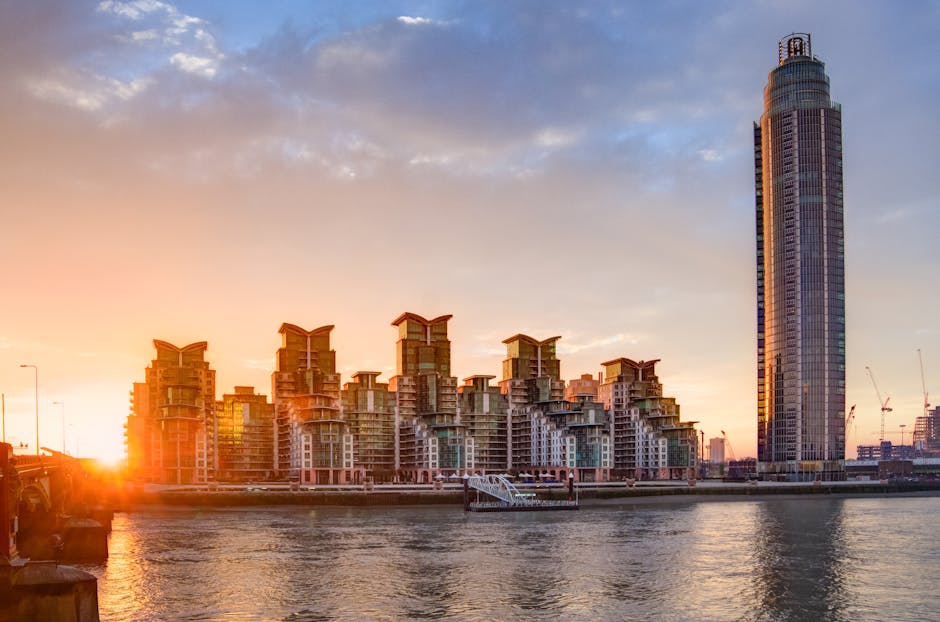
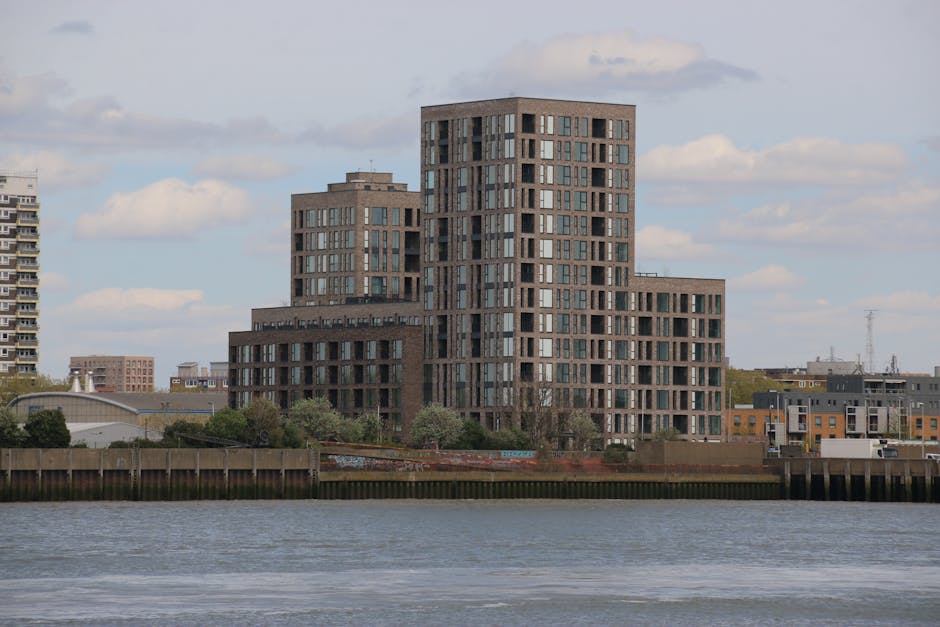
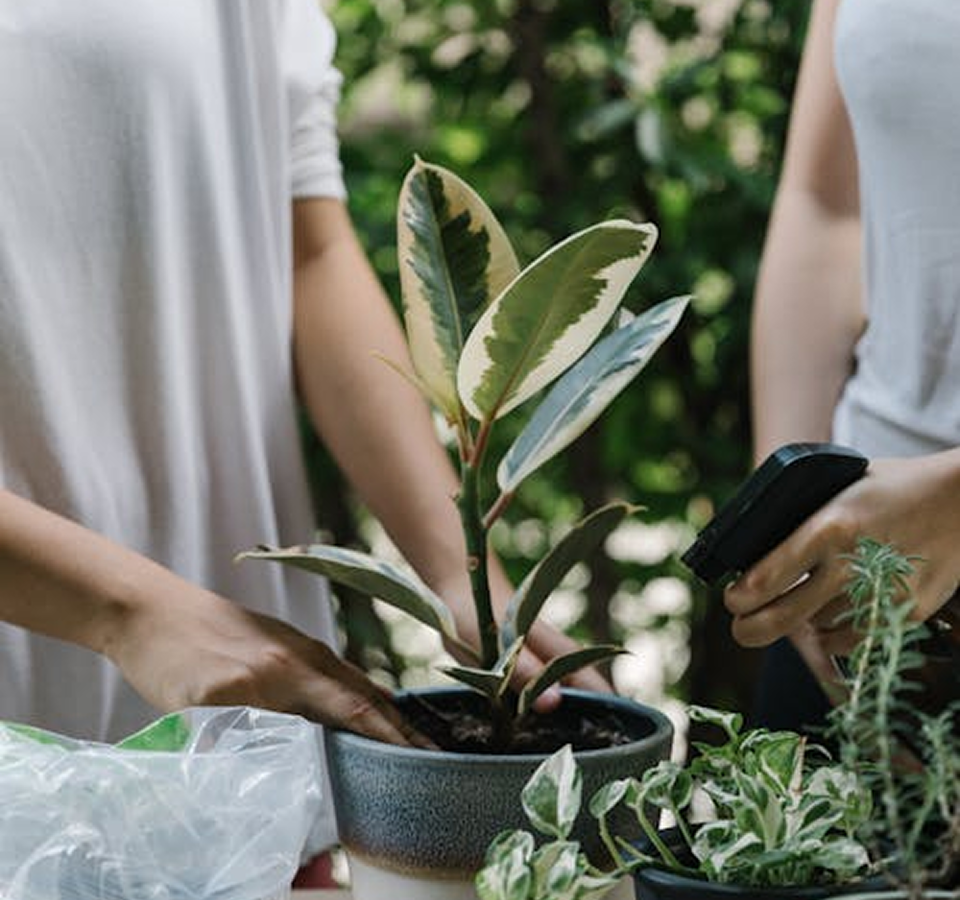
Affordable gardeners for Nine Elms flats near Battersea
If you live in a Nine Elms flat near Battersea, you probably know the same small battle many London residents face: a balcony planter that dries out too fast, communal edges that never quite stay tidy, and a bit of green space that should feel relaxing but somehow becomes another job on the weekend list. That is exactly where affordable gardeners for Nine Elms flats near Battersea can make life easier. The right service does not need to be extravagant or complicated. It just needs to be sensible, regular, and tuned to apartment living.
For many residents, the challenge is not whether gardening help is useful. It is how to get reliable, good-looking results without paying for work you do not need. This guide breaks down what affordable flat gardening actually means, how it works in practice, what to expect on cost and quality, and how to choose a service that fits a busy London lifestyle. If you want broader service information as you compare options, the services overview is a helpful place to start, and if you are already thinking about getting a figure in writing, the pricing and quotes page can help you understand the process.
Let's face it, flat gardening is a different animal from a suburban garden. Space is tighter, access can be awkward, and the job often needs a lighter touch. The good news? When done well, even a modest service can make a balcony, terrace, or small communal strip feel cleaner, calmer, and more cared for.
Table of Contents
- Why affordable gardening matters in Nine Elms flats
- How the service works in a flat or apartment setting
- Key benefits and practical advantages
- Who this is for and when it makes sense
- Step-by-step guidance
- Expert tips for better results
- Common mistakes to avoid
- Tools, resources and recommendations
- Law, compliance, standards and best practice
- Options, methods and comparison table
- Case study or real-world example
- Practical checklist
- Conclusion
- Frequently asked questions
Why Affordable gardeners for Nine Elms flats near Battersea Matters
Affordable gardening matters because flat residents usually need a practical middle ground. You may not need a full landscaping package, but you do need plants pruned before they look ragged, planters refreshed before summer, and outdoor areas kept safe and presentable. In a place like Nine Elms, where many homes are compact and outdoor space is often part of the property value, a neglected balcony or terrace can quickly make the whole flat feel less cared for.
There is also a real day-to-day comfort factor. A tidy set of troughs by the window, a clean terrace edge, or a simple planting scheme can soften hard urban lines and make a home feel more lived in. That sounds minor until you experience it. One small adjustment, and suddenly the space breathes a bit better.
Affordability matters too because London living already has enough pressures. The smartest garden services for flats are usually the ones that focus on maintenance, efficiency, and honest recommendations. Not every job needs expensive plants, major redesigns, or complicated schedules. Sometimes a light, regular visit is all it takes.
For residents who want a dependable and transparent approach, it helps to choose a provider that is upfront about service scope and payment expectations. The payment and security information is useful for understanding how a professional service handles transactions sensibly and safely.
How Affordable gardeners for Nine Elms flats near Battersea Works
In a flat or apartment setting, gardening services tend to be more focused than traditional garden maintenance. The work usually starts with a brief assessment of what is actually there: balcony containers, roof terrace planters, shared courtyard beds, window boxes, or a compact entrance area. The point is to work with the space you have, not push it into something it is not.
A sensible service often includes some combination of pruning, weeding, watering checks, feeding, deadheading, container refreshes, leaf clearance, and seasonal tidy-ups. For some properties, it may also include light hedge trimming or communal bed maintenance if access and permissions allow. To be fair, a lot depends on the building layout and management rules.
The most affordable approach is usually a maintenance-led plan. That means less time spent on dramatic overhaul work and more on keeping everything neat, healthy, and manageable. A garden that is looked after regularly tends to cost less in the long run than one left to decline and then rescued in a panic. True enough, and a bit annoying, but true.
Good communication is key. A gardener should know whether they are working on a private balcony, a shared deck, or an amenity area controlled by a managing agent. Access arrangements, storage, water supply, and waste removal all affect how the service runs. If you are comparing providers, it is sensible to read a company's about us page to understand how they work, and the health and safety policy can reassure you that practical on-site risks are taken seriously.
Key Benefits and Practical Advantages
There are several reasons local residents choose a cost-conscious gardening service rather than trying to handle everything themselves.
- Cleaner, calmer outdoor space: A tidy balcony or terrace is simply nicer to use. You notice it on a quiet morning with a coffee, or at dusk when the city noise softens a little.
- Better plant health: Regular pruning and correct watering often matter more than expensive plants.
- Less waste: Affordable gardeners usually focus on keeping existing planting healthy rather than replacing everything.
- More predictable spending: Routine maintenance is easier to budget for than emergency restoration.
- Improved property presentation: This matters in managed buildings, especially where common areas contribute to first impressions.
- Less stress for residents: You do not have to remember feed schedules, deadheading, or what to do with a leggy herb pot that has seen better days.
There is also a practical environmental upside. Small spaces are a good place to use low-waste, low-maintenance planting choices, especially when they reduce the need for constant replacement. If sustainability matters to you, you may want to look at a provider's recycling and sustainability approach, particularly if they can reuse green waste responsibly and avoid unnecessary disposal.
Expert summary: Affordable flat gardening is rarely about doing less well. It is about doing the right tasks, at the right frequency, with clear priorities. That is where the value is.
Who This Is For and When It Makes Sense
This kind of service suits a wide mix of residents and property setups. You may be the person who loves greenery but has no time. Or the one who inherited a balcony full of half-happy plants and now feels mildly guilty every time you open the door. We have all been there, frankly.
It makes sense for:
- flat owners with balconies, terraces, or rooftop planters
- tenants who want their outdoor space kept tidy without a major commitment
- landlords preparing a flat for viewings or new occupants
- managing agents looking after shared entrance beds or communal planters
- residents who need seasonal upkeep rather than full redesign
- busy households that want outdoor space to stay presentable all year
It is especially sensible when plants are already in place, but the upkeep has become inconsistent. A little structure goes a long way. If your plants are surviving but not thriving, a modest maintenance schedule can usually improve things without a big spend.
It may also suit people who need a one-off reset after a holiday, a move, or a renovation. In a building with shared access, the gardener can focus on tidying and restoring order so the space feels intentional again.
Step-by-Step Guidance
If you are booking affordable gardeners for a Nine Elms flat near Battersea, a simple process usually works best. Keep it practical. Keep it clear. No drama needed.
- List the areas that need attention. Balcony, terrace, window boxes, entrance planters, shared beds, or all of the above.
- Decide what outcome matters most. Do you want a tidy look, healthier plants, seasonal colour, or reduced maintenance?
- Note access issues early. Lift access, key handover, resident permissions, water access, and waste storage can all affect the job.
- Choose the right service level. A light monthly visit may be enough for some spaces. Others will need fortnightly care during the growing season.
- Ask what is included. Clearing, pruning, planting, compost top-up, feeding, and waste removal should be explained in plain English.
- Confirm expectations on materials. Will plants, compost, and pots be supplied, or are you providing them?
- Review the quote carefully. A good quote should be specific enough to avoid surprises.
- Set a review point. After one or two visits, check whether the schedule and work level are actually right for the space.
If you want a clearer picture of how a provider structures work and prices, the pricing and quotes page is a sensible reference point before you commit.
One small but useful tip: take photos before the first visit. It sounds obvious, but it helps everyone. You can compare before and after, and it reduces the classic "I thought that planter was included" moment. Slightly awkward conversations avoided. Always welcome.
Expert Tips for Better Results
Good results in flat gardening usually come from restraint, consistency, and the right plant choices. Not from overcomplication.
- Choose container plants that suit wind and sun exposure. Many Nine Elms flats, especially higher up, experience more wind than people expect.
- Use fewer plant varieties. A coherent scheme is easier to maintain than a chaotic mix of bargain plants and hope.
- Prioritise structure. Evergreen texture, grasses, and reliable shrubs often create a neater look between seasonal flowers.
- Ask for low-maintenance options. This is where affordability and good design meet nicely.
- Keep watering simple. In a flat, missed watering can be the difference between a healthy planter and a crispy one by Friday afternoon.
- Schedule work around the building. Morning visits may be quieter and easier for access, depending on the property rules.
Experience counts here because apartment gardening has awkward little realities. A gorgeous plant that loves full sun may look excellent for two weeks and then sulk on a shaded balcony. A cheaper, better-suited plant often wins. That is not glamorous, but it is smart.
Also, don't be shy about asking for honest advice. A good gardener should be willing to say, "That pot is fine, but the drainage is the problem," rather than selling you a whole new setup. That kind of straightforwardness is a good sign.
Common Mistakes to Avoid
There are a few repeat offenders that make flat gardening more expensive than it needs to be.
- Choosing plants for looks alone. Beautiful plants can still be wrong for wind, shade, or shallow containers.
- Skipping the maintenance plan. A one-off tidy can help, but it will not keep the space looking good for long.
- Overwatering or underwatering. Both are common in container gardening. Too much enthusiasm can be just as damaging as neglect.
- Ignoring drainage. Containers without proper drainage often create more problems than they solve.
- Assuming all access is simple. In managed buildings, access can be the hidden complication.
- Not confirming waste handling. Green waste, packaging, and old soil need a plan.
- Trying to do too much at once. A tidy, manageable scheme is often better than a pricey transformation that is hard to keep up.
There is also a trust mistake people make: they choose the cheapest quote without checking exactly what is included. A low price can be fine, but only if the scope is clear. Otherwise, the final cost can creep up and suddenly the "affordable" part disappears. Funny how that happens, isn't it?
Tools, Resources and Recommendations
You do not need a shed full of specialist equipment to manage flat gardening well. In many cases, the right tools are modest and practical.
| Tool or resource | Why it helps | Best for |
|---|---|---|
| Lightweight secateurs | Clean pruning on small shrubs and perennials | Routine upkeep |
| Watering can or compact hose setup | Controlled watering without waste | Balconies and terraces |
| Container compost | Refreshes tired pots and improves moisture retention | Seasonal top-ups |
| Mulch or decorative top dressing | Helps reduce evaporation and tidy the look | Sunny flat spaces |
| Simple maintenance notes | Records watering, pruning, and seasonal changes | Managed properties |
For residents who want a service provider that is clear about operations and expectations, the services overview and about us pages can help you get a feel for how the business is organised. If you value trust and transparency, those details matter more than people sometimes admit.
And if you like to know where a company stands on conduct and complaints, it is worth reading the complaints procedure and the terms and conditions. Not because you expect a problem, but because professional services should be clear about how things are handled if a snag ever comes up.
Law, Compliance, Standards and Best Practice
For most flat gardening jobs, the main compliance concerns are straightforward rather than dramatic. The practical focus is on access, safety, waste handling, and respecting property rules. If a service works in communal or managed spaces, it should be prepared to coordinate with residents, landlords, or managing agents where necessary.
Best practice usually includes the following:
- Clear permission for access: especially where work takes place in shared or restricted areas.
- Safe working methods: including sensible handling of tools, ladders, and plant materials.
- Appropriate insurance: important for any work in residential settings.
- Respect for building rules: noise, timings, waste disposal, and common-area usage all matter.
- Responsible disposal: green waste should be managed properly, not left in a corner for someone else to deal with.
A reputable provider should be able to explain its approach in plain language. The insurance and safety page is especially useful if you want reassurance around site precautions and liability cover. For residents who care about ethical business practice, the modern slavery statement is also a legitimate trust signal, even if it sits a little outside the gardening task itself.
One more thing. If you are in a building with accessibility needs, shared routes, or specific resident requirements, it is worth checking the provider's accessibility statement. Good service is not just about plants. It is about how the work fits the people using the space.
Options, Methods and Comparison Table
Not every flat needs the same kind of gardening help. Some residents want occasional rescue work. Others need regular maintenance. Here is a simple comparison to make the choice easier.
| Option | Best for | Typical strengths | Trade-offs |
|---|---|---|---|
| One-off tidy-up | Before a move, inspection, or event | Fast reset, visible improvement | Needs follow-up to stay tidy |
| Monthly maintenance | Busy residents with stable planting | Affordable, predictable, low effort | Less responsive during peak growing months |
| Fortnightly visits | More active planting or shared spaces | Better consistency, stronger plant health | Higher cost than monthly care |
| Seasonal refresh | People who want colour changes through the year | Fresh look, good visual impact | More plant replacement over time |
For most Nine Elms flats near Battersea, monthly or seasonal service is often the sweet spot. It keeps cost sensible while still making the space feel looked after. If the plants are especially exposed or the area is shared, a slightly more regular rhythm can be worth it.
One practical rule: start smaller than you think you need, then adjust. That is usually cheaper and less stressful than overcommitting from day one. You can always add work later. Taking it back is harder.
Case Study or Real-World Example
Imagine a two-bedroom flat with a medium balcony overlooking a busy Nine Elms street. The space has four containers, two tired herb pots, and a couple of decorative grasses that are not quite dead, but let's be honest, they are not thriving either. The resident wants the space to look good enough for weekends and occasional guests, but does not want a major redesign.
The gardener starts with a light refresh: dead growth is removed, the herbs are replaced with hardier container plants, the soil is topped up, and the planting is simplified so it is easier to maintain. A quick check of drainage reveals that one planter is holding water, so that gets corrected. The result is not dramatic in a glossy-magazine way. It is better than that. It looks calm, clean, and believable in an actual lived-in home.
After that first visit, the resident switches to a simple monthly service. Nothing extravagant. Just enough to keep the balcony tidy and the plants healthy through the season. The space ends up being used more often because, well, people use what feels pleasant. It stopped being a job and became a small part of the home again.
That is the value of affordable gardening in flat settings: not perfection, just a reliable improvement that fits real life.
Practical Checklist
Use this before you book any gardener for a flat near Battersea.
- Know whether the area is private, shared, or managed
- Measure the space roughly and note how many containers or beds need attention
- Decide whether you want tidy-up, maintenance, planting, or a mix of services
- Check access arrangements, keys, parking, lifts, and timed entry rules
- Ask what is included in the quote and what is charged separately
- Confirm how green waste and packaging will be removed
- Ask about insurance and safety practices
- Clarify whether the service is one-off, seasonal, or ongoing
- Share photos if the provider requests them
- Review the first visit and adjust the plan if needed
Quick takeaway: The cheapest service is not always the best value. The best value is the one that keeps your flat looking good, stays predictable, and does not create extra hassle.
Get a free quote today and see how much you can save.
Conclusion
Affordable gardeners for Nine Elms flats near Battersea are not just for people who want a prettier balcony. They are for residents who want outdoor space to feel manageable, tidy, and genuinely part of the home. In compact London living, that makes a bigger difference than people expect.
If you focus on practical maintenance, clear pricing, safe working, and plant choices that suit flat conditions, you can keep costs under control without settling for poor results. That is the sweet spot. Not fancy, not fussy. Just well looked after.
And if you are comparing providers, look for transparency as much as skill. A company that explains its services, pricing, safety, and complaint handling clearly is usually one worth shortlisting. If you want to understand the organisation behind the service, the contact us page is a sensible next step when you are ready to ask questions or request a quote.
In the end, a small, green space that is cared for properly can change the feel of a flat more than you might think. Sometimes that is all a city home needs - a little order, a little life, and a gardener who knows how to keep both in balance.
Frequently Asked Questions
What do affordable gardeners for Nine Elms flats near Battersea usually include?
They often cover light pruning, weeding, container care, deadheading, plant replacement advice, seasonal tidy-ups, and basic maintenance. The exact scope depends on the space and the quote.
How often should a flat balcony or terrace be maintained?
For many flats, monthly care is enough. More exposed balconies, active planting schemes, or shared amenity spaces may need fortnightly visits during the growing season.
Is flat gardening cheaper than regular garden maintenance?
Often it is, because the area is smaller and the work is more focused. That said, access issues, rooftop conditions, or specialist planting can affect cost.
What makes a gardener "affordable" without being low quality?
A good affordable service keeps work targeted, avoids unnecessary upselling, gives clear quotes, and focuses on maintenance that prevents bigger problems later.
Do gardeners bring their own tools and materials?
Usually, yes for tools. Materials such as plants, compost, or pots may be included or charged separately, so it is worth confirming before booking.
Can gardeners work in shared or managed areas of a building?
Yes, but access and permissions must be clear first. In managed properties, coordination with residents or managing agents is often needed.
What if my balcony gets a lot of wind?
Then you need tougher plants, stable containers, and probably a simpler design. Wind exposure is a common issue in higher-rise London flats, so it should be factored into planning.
How do I compare quotes properly?
Check what is included, how often the work will happen, whether waste removal is part of the price, and whether materials are extra. A clear quote is usually the best quote.
Do I need a one-off tidy or an ongoing service?
If the space just needs a reset, one-off work may be enough. If you want the area to stay neat and healthy, ongoing maintenance is usually better value.
Are there safety considerations for gardening on balconies and terraces?
Yes. Safe access, careful handling of tools, stable planters, and sensible working methods all matter. Any reputable provider should have a clear safety approach.
Can a gardener help with low-maintenance planting ideas?
Absolutely. In fact, that is often one of the most useful things they can do. The best planting scheme for a flat is usually the one you can realistically keep alive and looking good.
How do I arrange a quote for my flat?
Start with a simple description of the space, a few photos if helpful, and note any access details. Then use the contact page to request an estimate and ask any practical questions upfront.