Real cost of Vauxhall gardeners versus DIY options
If you have ever stood in the garden with a mower in one hand, a pair of blunt shears in the other, and a vague sense that the whole thing is taking over your weekend, you are not alone. The real cost of Vauxhall gardeners versus DIY options is not just about the invoice versus the price of a few tools. It is about time, repeat work, safety, disposal, quality, and the little jobs that quietly become big ones.
For some homes, DIY makes perfect sense. For others, hiring a professional gardener is cheaper in the long run, even if it looks more expensive on paper. The trick is knowing where the true cost sits. This guide breaks it down in plain English, with practical comparisons, realistic decision points, and a few common-sense shortcuts that save hassle. To be fair, gardening is one of those jobs where the cheapest option can become the most expensive if you get it wrong.
Why Real cost of Vauxhall gardeners versus DIY options Matters
On the surface, DIY gardening looks simple. Buy a few tools, spend a Saturday afternoon, and job done. But in real life, gardens are rarely that tidy. Grass grows back fast, hedges get out of hand, waste piles up, and one small maintenance task often uncovers three more. That is where the real cost starts to shift.
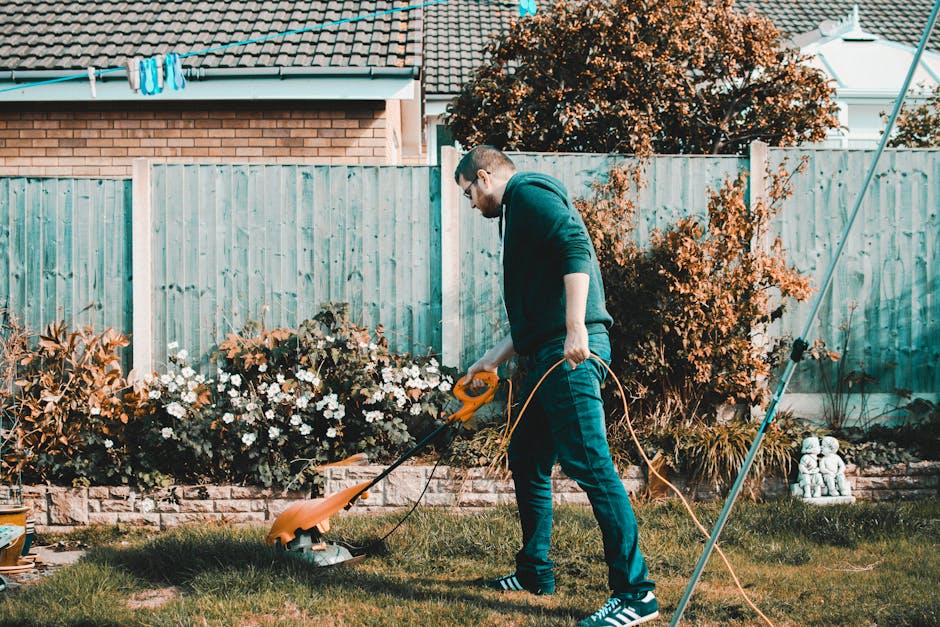
In Vauxhall, as in much of London, many gardens are compact, overlooked, or awkwardly shaped. That changes the maths. A small courtyard can be more fiddly than a larger lawn because access is tight, waste has to be carried through the house, and a basic tidy-up may still take a surprising amount of time. If you are balancing work, family, and everything else, a "quick" garden job can swallow half a day without warning.
It also matters because garden work is not all equal. Mowing and weeding are one thing. Hedge cutting, clearance, tree work, and landscaping are something else entirely. The difference between cheap and costly often comes down to whether you are dealing with routine upkeep or a job that needs proper equipment, disposal planning, and a bit of know-how. If you are comparing options, a good starting point is the site's services overview and the more detailed pricing and quotes information, which helps set expectations before anyone turns up with a van full of kit.
Key takeaway: the real cost is not just what you pay today. It includes your time, the risk of mistakes, the tools you need, and how often the job has to be redone.
How Real cost of Vauxhall gardeners versus DIY options Works
The comparison is easiest when you split it into five buckets: labour, tools, waste, quality, and risk. That sounds a bit tidy, I know, but it helps keep the decision honest.
1) Labour: your time has value
DIY labour is free only if your time has no cost. In reality, your Saturday morning, your lunch break, or your evening after work all have value. If a task takes three hours at home and a professional gardener would complete it in one, you need to ask whether those extra two hours are actually saving money or simply being borrowed from something else.
2) Tools and consumables
DIY often starts with one purchase and ends with a small shopping list. You may need a mower, strimmer, hedge trimmer, loppers, shears, gloves, bags, fuel, batteries, compost, and possibly a ladder. Some tools are fine for a one-off job, but many people end up buying cheaper items that struggle after a few uses. That is the hidden bit nobody enjoys admitting. The tool looked inexpensive, then it broke.
3) Waste removal and disposal
Garden waste is heavier and bulkier than people expect. A couple of bags of hedge trimmings can become a boot full very quickly. If you are clearing overgrown beds, old plants, broken timber, or soil, disposal becomes a real part of the job. A professional service may include removal as part of the arrangement, whereas DIY usually means making trips to a local facility or filling your own bins over several weeks.
4) Quality and repeat work
A tidy garden today can look tired again in a fortnight if the cut was uneven, the edging was rough, or the wrong plants were removed. Professional gardeners bring routine and consistency. DIY can absolutely produce a good result, but only if you know what you are doing and have the right tools to match. Otherwise, you may end up doing the same job twice. Or three times. It happens more often than people think.
5) Risk and physical strain
Gardening looks gentle until you spend an hour hauling bags, crouching over borders, or wrestling with a hedge that has ideas above its station. Back strain, slips, cuts, and trips are not dramatic possibilities; they are everyday risks. The less visible cost is recovery time after a job that was supposed to be straightforward.
For heavier jobs, such as overgrown clearance or tree-related work, the balance moves quickly towards professional help. Services like garden clearance, hedge trimming, and tree lopping and removal are often where the DIY calculation becomes a bit unrealistic, especially if access is poor or the waste volume is large.
Key Benefits and Practical Advantages
There are solid reasons people choose professional gardeners, and not all of them are about convenience. Sometimes the savings are genuine.
- Predictable results: a professional can usually deliver a neater finish and a more consistent routine.
- Less disruption: your garden gets done without taking over the whole weekend.
- Better equipment: commercial tools often cut faster, cleaner, and more safely than DIY versions.
- Waste handled properly: green waste, brash, and bulky clippings are managed as part of the job where agreed.
- Fewer repeat mistakes: things like uneven mowing, damaged edges, or over-pruning are less likely.
- Scalability: a one-off tidy, a seasonal reset, or regular maintenance can be matched to what the garden actually needs.
There is also a quieter benefit: headspace. A well-kept garden changes how a home feels, especially in a built-up area where outside space is precious. You notice it on a sunny morning when the lawn is even, the paths are clear, and the whole place feels calmer. Small thing, big difference.
If you are weighing up regular upkeep, the garden maintenance option is often the fairest comparison against DIY. Regular professional visits can reduce the need for drastic, expensive catch-up work later. And that is where the long-term savings usually live.
Who This Is For and When It Makes Sense
This decision is not the same for every household. A keen gardener with a small plot and a decent set of tools may be able to handle most tasks themselves. Someone with a larger, neglected garden and very little free time is in a different position entirely.
DIY usually makes sense when:
- the work is light and routine, such as mowing or weeding;
- you already own suitable tools;
- the garden is easy to access;
- waste volume is small;
- you actually enjoy the work, which helps more than people admit.
Hiring a gardener usually makes more sense when:
- the space is overgrown or cluttered;
- the task needs ladders, specialist cutters, or multiple tools;
- the job is time-sensitive;
- you want a neater, more reliable finish;
- disposal is likely to be awkward;
- you have health, mobility, or schedule limits.
Some people also forget the seasonal factor. A garden can feel manageable in early spring, then suddenly become relentless after a few warm weeks. That is when professional help becomes less of a luxury and more of a practical decision. If your outside space is already being used for family time, pets, or entertaining, keeping on top of it matters more than ever.
Step-by-Step Guidance
If you want a fair comparison, do it properly. Guessing is how budgets drift.
- List the actual jobs. Not "sort the garden". Break it down into mowing, hedge trimming, weeding, clearance, edging, pruning, and any hard landscaping.
- Measure the time. Estimate how long you would need if you did each task yourself. Be honest. Most people are a bit optimistic here.
- Add the tool cost. Include tools you own, tools you would need to buy, fuel or batteries, gloves, bags, and replacements.
- Factor in waste removal. Decide whether you can fit waste into your own bins, need a tip run, or need help with clearance.
- Price the risk. Ask yourself what happens if you damage plants, cut something back too hard, or injure yourself.
- Compare with a professional quote. Use a written quote, not a rough guess from memory.
- Check whether the job is one-off or recurring. Regular jobs often become cheaper over time when maintained properly.
A simple example helps. Suppose your hedge is a bit wild, the lawn needs a trim, and beds need a tidy. DIY might look cheaper if you already own a mower and shears. But if the hedge is tall, the cuttings are heavy, and you have to spend half the next day clearing waste, the numbers change. The job still got done, yes, but at a real cost to your time and energy.
For bigger outdoor projects, it is often worth looking at whether the work sits closer to maintenance or improvement. That distinction matters. A maintenance job is usually repeatable and relatively predictable. A project like landscaping or landscape gardening can involve design, levels, materials, access, and planning that are hard to replicate with a weekend DIY approach.
Expert Tips for Better Results
There are a few habits that make a real difference, and honestly they are boring in the best possible way.
- Start with the worst visible issue first. If the garden looks overwhelmed, tackle the thing that makes everything else look messy, usually the hedge, lawn, or accumulated waste.
- Use the right tool for the job. A blunt hedge trimmer or underpowered mower slows everything down and can leave a poor finish.
- Work from the back forward. That avoids walking back over freshly cut areas and trampling your own progress.
- Do not overcut in one go. Especially with hedges and shrubs, heavy-handed pruning can leave bare patches and a long recovery time.
- Keep waste moving. Bag as you go or make a disposal plan before you start. A pile of clippings in the middle of a path gets in the way fast.
- Book maintenance before it becomes rescue work. Preventive care is nearly always cheaper than a full reset.
One small but useful tip: if you are uncertain whether a job needs professional help, ask yourself whether you can finish it safely in one day. If the honest answer is no, the savings from DIY are already slipping away.
And if you are choosing between doing everything yourself and outsourcing the trickier pieces, that middle path can be very sensible. DIY the easy parts, hire help for the awkward bits. No shame in that at all.
Common Mistakes to Avoid
People usually do not get gardening wrong in dramatic ways. It is more like a series of small, costly missteps.
- Ignoring disposal costs: garden waste looks light until it fills a wheelbarrow, then another, then another.
- Buying the cheapest tools: false economy is real here.
- Underestimating labour: what looks like an hour can turn into three.
- Cutting too much too soon: many plants are less forgiving than they appear.
- Leaving clearance too long: once a garden becomes overgrown, the job gets harder, messier, and more expensive.
- Comparing against a vague quote: always compare like for like.
- Forgetting seasonal urgency: delaying a spring or summer job often means more growth and more work later.
Another common one is assuming a "cheap" DIY cleanup is always better because it avoids paying someone. But if you spend all weekend doing it, feel sore on Monday, and still need to borrow a strimmer next time, have you really saved anything? It is a fair question.
Tools, Resources and Recommendations
You do not need a shed full of equipment to look after a garden well. But you do need the basics suited to the job.
For DIY upkeep
- mower or strimmer for grass;
- hedge trimmer or hand shears for shaping;
- gloves and sturdy footwear;
- rake, bags, and a bin strategy for waste;
- basic pruning tools for smaller jobs;
- a wheelbarrow or garden sack if the space is awkward.
When to lean on professional support
- regular seasonal upkeep you want to keep under control;
- jobs involving tall hedges or awkward tree branches;
- clearances after long neglect;
- projects where timing matters, such as getting the garden ready for guests or a property sale;
- work that may need better insurance, safety planning, or specialist handling.
If you are exploring a service provider, the most useful pages are usually the ones that explain scope clearly. The about us page can help you understand the team and approach, while the insurance and safety page is worth reading if the job involves ladders, heavier cutting, or access issues. That kind of detail matters more than glossy language, really it does.
It is also sensible to review how waste and sustainability are handled. A provider that talks clearly about green waste handling and responsible disposal, such as on the recycling and sustainability page, is usually showing the sort of operational care you want.
Law, Compliance, Standards and Best Practice
This is not the place for legal drama, but it is worth keeping safety and duty of care in mind. Garden work can involve sharp tools, ladders, lifting, waste handling, and sometimes protected tree-related considerations. If a job is outside your comfort zone, that is not overcautious; it is sensible.
For homeowners doing DIY, the main best-practice points are straightforward:
- use tools properly and keep them maintained;
- wear suitable gloves, footwear, and eye protection where needed;
- do not overload bags or lift awkward waste alone if you can avoid it;
- be careful with ladders and hedge work at height;
- check local waste handling expectations before dumping anything;
- treat tree work with extra caution, especially if branches are heavy or access is poor.
For professional garden work, good providers should be clear about safety, insurance, payment, and terms. Those are the unglamorous pages people skip until something goes wrong. The truth is, they are part of the real cost picture. A business that publishes clear policies on payment and security, terms and conditions, and health and safety is giving you more than paperwork. It is giving you clarity.
One more practical note: if a job looks like it may involve tree surgery rather than simple pruning, stop and reassess. Tree work has a different risk profile from general gardening, and that difference is not trivial.
Options, Methods, or Comparison Table
The clearest way to compare the real cost is to look at the options side by side. This is not about declaring one winner for everyone. It is about seeing where the money and effort actually go.
| Option | Upfront cost | Time required | Typical hidden costs | Best for |
|---|---|---|---|---|
| DIY basic maintenance | Low if tools already exist | Medium to high | Tool wear, waste bags, repeat effort | Small, routine jobs you already know how to do |
| DIY with tool purchases | Moderate | Medium to high | Buying the wrong tool, replacements, storage | Homeowners building up long-term use |
| Professional one-off tidy | Moderate | Low for you | None of the physical labour, but scope must be clear | Overgrown or time-sensitive gardens |
| Regular maintenance service | Moderate and recurring | Very low for you | Contract terms, seasonal ups and downs | Busy households, rental properties, consistent presentation |
| Large clearance or landscaping | Higher | Low for you | Materials, access, waste, planning | Major changes, neglected gardens, structural improvement |
The table makes one thing obvious: DIY is cheapest only when the garden is small, the job is simple, and you already have the kit. Once you add time pressure, heavier work, or waste removal, the value of professional help rises fast.
For readers who want a broader choice of services, the lawn mowing page is a useful example of the kind of recurring work that people often start as DIY and later switch to outsourcing when life gets busy.
Case Study or Real-World Example
Here is a realistic example, based on the kind of job many London homeowners recognise.
A small Vauxhall terrace has a narrow back garden with a patchy lawn, a hedge running along the fence, and a border that has become a bit wild after a busy summer. The homeowner initially plans to do it themselves over a weekend. On paper, it looks fine: mow the lawn, trim the hedge, weed the border, and bag the waste.
Then the details show up. The hedge is taller than expected. The mower struggles on the uneven grass. The clippings take up two trips' worth of bags. The border is full of tangled stems that need cutting back carefully rather than hacked away. Suddenly the job is not a light tidy; it is a proper maintenance session.
At that point, the homeowner has two paths. Keep going with DIY, buy a few extras, and accept that the weekend is gone. Or bring in a professional gardener for the heavier pieces and keep the lighter stuff for later. The second option often feels like paying more, but the actual cost can be lower once the time saved, the reduced hassle, and the cleaner finish are taken into account.
This is especially true where a garden has drifted beyond routine upkeep. A one-off reset with garden clearance support may cost more than a simple DIY tidy, but it can bring the space back to a point where regular maintenance is realistic again. That is the bit people miss. Sometimes you are not paying for the job in front of you; you are buying back control of the space.
Practical Checklist
Use this before deciding between Vauxhall gardeners and doing it yourself.
- Have I listed every task properly?
- Do I already own the right tools?
- How long will the work really take?
- Will I need to dispose of heavy or bulky waste?
- Is the job simple enough to do safely?
- Will the finish matter for how the garden is used or viewed?
- Would this be easier and cheaper if done regularly?
- Is there any height, access, or lifting issue?
- Am I comparing like-for-like quotes?
- Would outsourcing save enough time to be worth it?
If you can tick most of those boxes in favour of DIY, fair enough. If not, a professional option may be the more economical choice after all.
Conclusion
The real cost of Vauxhall gardeners versus DIY options is never just the headline price. DIY can be brilliant for small, routine, low-risk jobs, especially if you already have the tools and the time. But once a garden becomes overgrown, waste-heavy, awkward to access, or simply too much to squeeze into an already busy week, professional help often becomes the smarter spend.
The most honest comparison includes time, safety, tool wear, disposal, and the chance of doing the same work again later. That is where the difference really shows. If you want your garden to feel manageable rather than demanding, choosing the right approach is less about pride and more about practicality. And that is perfectly fine.
If you are weighing up the numbers for your own garden, the best next step is to compare your actual tasks against clear service information and pricing, then decide what makes the most sense for your home and schedule. Get a free quote today and see how much you can save.
Sometimes the best value is not doing everything yourself. Sometimes it is simply getting your weekend back and hearing the garden breathe again.
Frequently Asked Questions
Is it always cheaper to do garden work yourself?
No. DIY is often cheaper for light, routine tasks, but once you add tool purchases, waste disposal, time, and the risk of mistakes, the savings can shrink quickly.
What garden jobs are usually best left to professionals?
Overgrown hedges, large clearances, awkward tree work, heavy waste removal, and jobs involving poor access are usually better handled by a professional.
How do I know if a gardener is better value than DIY?
Compare the full cost: your time, tools, waste, and the chance of needing to redo the work. If the professional quote is not much higher than the real DIY cost, it often makes sense to hire out.
Can I mix DIY with professional gardening?
Absolutely. Many people mow, weed, or water themselves and bring in help for hedge trimming, clearance, or seasonal resets. That middle-ground approach is often the most sensible.
Does regular garden maintenance cost less than one-off visits?
Usually, yes, over time. Regular maintenance helps prevent the garden from becoming overgrown, which can reduce the size and difficulty of later jobs.
What hidden costs do people forget with DIY gardening?
Common misses include fuel, replacement blades, bags, waste disposal, broken tools, and the value of your own time. Those small items add up more than people expect.
Is garden clearance worth paying for?
If the space is heavily overgrown or full of bulky waste, yes, it often is. Clearance can restore the garden to a manageable state much faster than DIY.
How often should I compare DIY against hiring a gardener?
It is worth reviewing every season, especially in spring and late summer when growth can ramp up quickly and the workload changes.
What should I ask before accepting a gardening quote?
Ask what is included, how waste is handled, whether the price is for one visit or ongoing work, and whether there are any access or safety assumptions built into the quote.
Does professional gardening always mean a better finish?
Not always, but a professional service usually gives you more consistency, better equipment, and less time spent correcting avoidable mistakes.
When does DIY stop being practical?
When the work takes too long, becomes physically awkward, or involves tasks you do not feel safe doing. If the job keeps getting postponed, that is usually a sign.
Where can I learn more about service options before deciding?
A good place to start is the site's services overview and the pricing and quotes page, which can help you compare what you actually need with what you are willing to spend.