Reliable gardeners near Vauxhall Station and South Lambeth: a practical guide for busy London homes and gardens
If you live near Vauxhall Station or in South Lambeth, you already know the rhythm of the area: busy streets, compact outdoor spaces, a mix of flats and terraces, and not a lot of spare time to keep a garden looking sharp. That is exactly why finding reliable gardeners near Vauxhall Station and South Lambeth matters so much. Not just "someone who can mow the lawn," but a person or team who turns up when they say they will, understands local conditions, and leaves your space looking cared for rather than hurried through.
Truth be told, most people do not start with a gardening grand plan. They start with a patchy lawn, a hedge that has gotten a bit ambitious, or a front garden that looks tired by the end of winter. Then the search begins. This guide walks you through what reliable local garden help actually looks like, how to choose it, what to expect, and how to avoid the usual mistakes. You will also find a checklist, a comparison table, and a few realistic examples from everyday London life - the kind of detail that helps you make a confident decision without overthinking it.
Along the way, you may also want to explore related support such as garden maintenance services or, if your space needs a seasonal reset, hedge trimming and shaping. Used well, those services can save time and keep a small outdoor area feeling much bigger than it is.
Table of Contents
- Why Reliable gardeners near Vauxhall Station and South Lambeth Matters
- How Reliable gardeners near Vauxhall Station and South Lambeth Works
- Key Benefits and Practical Advantages
- Who This Is For and When It Makes Sense
- Step-by-Step Guidance
- Expert Tips for Better Results
- Common Mistakes to Avoid
- Tools, Resources and Recommendations
- Law, Compliance, Standards, or Best Practice
- Options, Methods, or Comparison Table
- Case Study or Real-World Example
- Practical Checklist
- Conclusion
- Frequently Asked Questions
Why Reliable gardeners near Vauxhall Station and South Lambeth Matters
Garden care sounds simple until it is not. In an area like Vauxhall and South Lambeth, outdoor spaces can be surprisingly demanding. Some gardens are tiny but need regular attention because every detail shows. Others are shared, overlooked from above, or bordered by paving and walls that make weeds and debris feel impossible to keep up with. A reliable gardener matters because garden work is not just about looks; it is about keeping things manageable before they become expensive, awkward, or time-consuming.
Let's face it, missed visits are more than a nuisance. If a gardener doesn't turn up, a hedge keeps growing, moss keeps spreading, and those once-neat borders start looking like they are quietly staging a takeover. That is especially frustrating for landlords, tenants, managing agents, and homeowners who need regular upkeep without having to chase every appointment.
Reliability also matters because local conditions differ. London gardens near transport corridors often deal with dust, shade from surrounding buildings, compacted soil, and occasional wind tunnels between properties. A gardener who understands that will plan work properly rather than treating every garden as if it sits in the middle of a suburban field. There is a difference, and you usually notice it by the second visit.
Good local gardening support gives you more than labour. It gives you predictability, decent communication, and a routine that keeps your outdoor space in shape all year. That is the real value. Not glamour. Not fluff. Just a garden that stays usable, tidy, and pleasant.
Expert summary: In dense London neighbourhoods, reliability is often more valuable than one-off flair. A steady, well-managed service keeps small jobs small, and prevents seasonal maintenance from becoming a big, messy catch-up later on.
How Reliable gardeners near Vauxhall Station and South Lambeth Works
Reliable gardening support usually starts with a simple conversation: what needs doing, how often, and what the space is like. From there, a decent gardener should be able to explain what is realistic, what tools they will bring, and whether the job needs one-off attention or regular visits. It sounds obvious, but a lot of problems are prevented right there.
For most local gardens, the work falls into a few practical buckets:
- Routine maintenance: mowing, edging, weeding, pruning, deadheading, leaf clearance, and general tidy-ups.
- Seasonal work: spring refreshes, autumn leaf removal, summer growth control, and winter preparation.
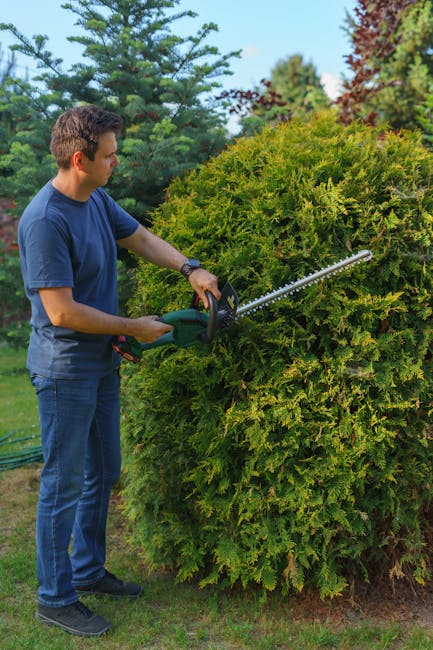
- Specialist tasks: hedge shaping, fence-line clearance, soil improvement, and overgrown garden recovery.
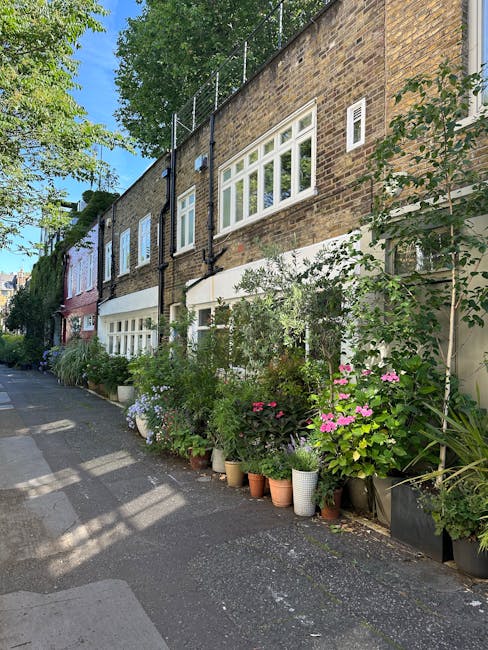
- Container and small-space care: ideal for balconies, courtyards, and compact paved gardens near flats.
A dependable service should also be clear about timing. In a city setting, a two-hour window can be much more realistic than "we'll be there sometime in the morning." And if access is tricky - communal gates, residents' permits, basement gardens, coded entry - the process should be discussed in advance. Small detail, big difference.
Some gardeners work on a fixed schedule, while others operate on an as-needed basis. Both can work well. The best choice depends on how quickly your garden grows, whether you host often, whether pets or children use the space, and how much you care about the "always tidy" look versus the "sorted every few weeks" look.
If your outdoor area includes mixed planting, a service that handles seasonal planting can be especially useful. It keeps the space from looking flat or tired once one bloom cycle has passed. And yes, in London that matters more than people think. A couple of well-chosen containers can change the whole feel of a small courtyard.
Key Benefits and Practical Advantages
There are the obvious benefits - your garden looks better, weeds are under control, and the grass stops doing its own thing. But the real advantages are a bit wider than that.
- Time saved: This is the big one. A reliable gardener gives you back hours each month. For many people, that is the entire reason they start looking in the first place.
- Consistent presentation: Good maintenance stops the "messy all at once" cycle. Your garden stays ready for a coffee outside, an evening with friends, or just opening the window without feeling slightly judged by the view.
- Healthier plants and lawn areas: Regular pruning, feeding, and clearing dead material can improve plant health and reduce avoidable damage.
- Less stress: You stop carrying the garden in your head. It is one less thing to worry about. Nice, isn't it?
- Better use of small spaces: In compact South Lambeth gardens, smart maintenance can make an area feel cleaner, brighter, and more functional.
- Seasonal planning: Reliable gardeners spot issues early, so the work is spread across the year rather than arriving all at once.
There is also the trust factor. A gardener who consistently does the basics properly often becomes more valuable than someone who occasionally delivers a "wow" result but is unreliable on the calendar. To be fair, anyone can make a garden look good for a day. Keeping it that way is the skill.
Who This Is For and When It Makes Sense
This kind of local gardening support makes sense for a lot of different people, and not just homeowners with large plots. In fact, in and around Vauxhall Station and South Lambeth, the most common users are often the people with less time, less outdoor space, and fewer easy storage options for tools.
Homeowners
If your front or back garden needs regular upkeep, a dependable gardener can keep everything from slipping into that slightly neglected stage that sneaks up on you after a few busy weeks. That is especially useful if you are trying to protect curb appeal or prepare for sale.
Landlords and letting agents
Tenanted properties need predictable maintenance. A tidy garden can reduce complaints, improve first impressions, and make move-ins and inspections much smoother. It is one of those things that sounds minor until it gets ignored.
Busy professionals
If you are commuting, working irregular hours, or juggling family life, the garden is often the first thing to be dropped and the last thing to be caught up on. A regular service keeps the garden from becoming a weekend-eating project.
Older residents or those with limited mobility
Garden work can be physically demanding. For many people, the issue is not willingness but practicality. A trustworthy local gardener can make a real difference here, and quietly so.
People with small, high-visibility spaces
Courtyards, balcony planters, and compact rear gardens near flats need precision. Small spaces can look untidy fast, which is exactly why reliable scheduling matters.
Sometimes the right moment to get help is not when the garden is already a jungle. It is earlier, before the job becomes draining. That small shift makes the whole thing easier. Much easier.
Step-by-Step Guidance
If you want to choose well, keep the process simple and practical. No need to turn it into a research project that drags on for weeks.
- Define the job properly. Be specific. Do you need mowing, pruning, weeding, border tidy-up, hedge cutting, or all of the above? A vague request usually leads to a vague result.
- Check the garden's real condition. Look at access, waste volume, planting types, and whether anything is awkward to reach. Mention any issues up front, like narrow side entrances or shared courtyards.
- Ask how often they recommend visits. A reliable gardener should explain whether weekly, fortnightly, monthly, or seasonal visits make sense. If they say "whatever you want" without any context, that is not very helpful.
- Confirm what is included. For example: edging, waste bagging, leaf clearance, light weeding, or hedge shaping. Don't assume.
- Discuss tools and access. Some jobs require the gardener to bring their own equipment, while others may benefit from a few items already being on site. It is worth clarifying.
- Agree on timing and communication. A good routine depends on predictable arrival windows and clear updates if weather or traffic affects the schedule.
- Review after the first visit. Check whether the garden looks finished, whether clippings were cleared, and whether the gardener noticed anything worth flagging for next time.
Here is the bit many people skip: ask what would make the space easier to maintain long term. Sometimes the answer is a simpler planting scheme, sometimes it is better mulching, and sometimes it is just removing one or two awkward problem areas. Small changes, but they add up.
Expert Tips for Better Results
There are a few things that make a noticeable difference, especially in London gardens where time and space are tight.
Keep a maintenance rhythm
Gardens rarely stay neat by accident. A steady pattern usually beats one heroic cleanup every few months. If a gardener suggests a regular plan, listen properly. They may be trying to save you work later on.
Choose lower-fuss planting where it suits the space
Not every garden needs a complicated mix of shrubs, climbers, and delicate perennials. In a shaded or narrow space near Vauxhall, simple resilient planting can look better and be easier to manage. A few good plants, placed well, often outperform a crowded border.
Don't ignore soil and drainage
People often focus on what is above the surface. Fair enough, that is the visible bit. But poor drainage or tired soil can make even regular gardening feel like pushing water uphill. If an area stays soggy, compacted, or dusty, it may need a different approach.
Use seasonal jobs to stay ahead
Spring tidy-ups, summer growth control, and autumn leaf removal are not optional extras if you want the garden to stay manageable. They are the rhythm of a healthy outdoor space. A little annoying, yes. Necessary, absolutely.
Be honest about your standards
Some people want "presentable from the kitchen window." Others want crisp edges and immaculate borders. Neither is wrong. But your gardener needs to know which one you mean. Otherwise you may end up with more work than satisfaction.
If you are also looking after hedges or boundaries, a service like shrub pruning can prevent plants from getting leggy or blocking light. That is one of those quiet improvements that makes a garden feel calmer, somehow. Less cluttered.
Common Mistakes to Avoid
Most bad experiences with gardening services are not dramatic. They are just small misunderstandings that snowball.
- Choosing only on price: The cheapest quote can be tempting, but reliability, communication, and attention to detail matter too. A bargain that doesn't show up is not a bargain.
- Not defining the scope: If you do not spell out whether waste removal, hedge cutting, or edging is included, you can easily end up disappointed.
- Ignoring access issues: Shared gates, parking restrictions, and awkward entry points can all delay or complicate a visit.
- Expecting one-off work to solve ongoing problems: If your garden grows fast or is heavily shaded, it will probably need routine visits.
- Forgetting seasonal timing: Some work is best done at certain times of year. Leave it too late and everything becomes harder.
- Not checking communication style: If someone is slow to respond before you hire them, that usually won't improve later. Rarely does.
One slightly funny truth about gardens: they are very good at revealing shortcuts. A rushed cut, a missed corner, or a pile of debris left behind tends to announce itself immediately, especially in a small space. No hiding place.
Tools, Resources and Recommendations
Good gardeners bring more than a mower and a pair of gloves. The right tools depend on the job, but a proper setup usually includes equipment for trimming, cutting, clearing, edging, and safe waste handling. For larger or more complex jobs, having the right tools makes a huge difference to finish quality.
From a homeowner's point of view, you do not need to own a full set of gardening equipment to benefit from the service. Still, a few practical items can help:
- Basic access instructions: gate codes, buzzer names, parking guidance, and any neighbour arrangements.
- A simple list of priorities: what must be done today versus what can wait.
- Photos of the space: useful if you are arranging a quote remotely.
- Notes on plants or problem areas: for example, "the lavender needs cutting back" or "the back corner stays damp."
If your space includes climbing plants or awkward vertical growth, planting and border design can be a helpful companion service, especially where the aim is to make maintenance easier over time. A smart layout is often half the battle.
One more recommendation: keep a small record of what was done at each visit. Nothing formal, just a note on your phone. It helps with continuity, especially if different seasons call for different priorities. A five-second note now can save a lot of "what did we do last time?" later.
Law, Compliance, Standards, or Best Practice
For garden work, most of the practical issues are less about heavy regulation and more about safe, sensible working standards. That said, there are still a few things worth keeping in mind in the UK context.
First, any gardener working on your property should behave responsibly with tools, waste, and access. That means taking care around pathways, not blocking shared entrances, and handling garden waste in a tidy and lawful way. If a property is leasehold or part of a managed building, there may also be building rules about access times, noise, or waste storage. Those are usually practical rules rather than complex legal matters, but they matter.
Second, if trees are involved, especially larger trees or anything near boundaries, there may be extra considerations. Some trees can be protected or subject to local restrictions, and any responsible gardener should pause rather than cut first and ask later. Better safe than sorry. A little caution avoids a very awkward conversation.
Third, good gardening practice includes using appropriate personal protective equipment, safe lifting, and proper tool handling. You do not need to know every technical detail, but you should expect a professional attitude. If a job looks rushed, careless, or noisy in a way that suggests little thought for neighbours, that is a warning sign.
For shared outdoor spaces, best practice also includes leaving paths clear, avoiding damage to planted areas, and disposing of green waste properly. Clear communication and a tidy finish are part of the service, not a bonus.
Options, Methods, or Comparison Table
Different gardens need different types of help. The right choice depends on how much work your space needs and how often you want it maintained. Here is a simple comparison that may help you decide.
| Option | Best for | What it usually includes | Pros | Watch-outs |
|---|---|---|---|---|
| One-off tidy-up | Overgrown gardens, move-ins, pre-event cleanups | Weeding, cutting back, clearing, basic shaping | Fast reset, useful for urgent jobs | Can be more expensive per visit and may not prevent regrowth |
| Regular maintenance | Busy homes, landlords, neat front gardens | Mowing, pruning, edging, light seasonal work | Best for consistency and long-term control | Needs a reliable schedule and clear priorities |
| Seasonal visits | Low-use gardens or tidy spaces that only need periodic work | Spring refresh, summer shaping, autumn leaf clearance | Flexible and cost-conscious | May not suit fast-growing gardens |
| Specialist help | Hedges, planting, border redesign, problem areas | Targeted tasks with more skill or heavier tools | Better results for specific issues | May need a broader plan to avoid patchy upkeep |
In practice, many people near Vauxhall and South Lambeth use a combination. A one-off clean-up followed by regular maintenance is a very common route. It gives you a reset, then keeps things under control without drama.
Case Study or Real-World Example
A typical local scenario looks like this: a small rear garden in South Lambeth, partly shaded, with a narrow side return, a tired lawn, and a few border plants that have lost their shape. The owner works long hours and only notices the garden properly at weekends - usually when there is something else they would rather be doing.
On the first visit, the gardener clears weeds, edges the lawn, trims back the most overgrown shrubs, and identifies a couple of plants that are not thriving in the shade. Nothing dramatic. Just sensible, focused work. The second visit is less about rescue and more about maintenance: light pruning, tidying the borders, and keeping growth from creeping back over the paving.
What changed? The garden became usable again. The owner could sit outside without feeling guilty about the state of it. The space looked larger, cleaner, and more cared for. And because the work was consistent, it stopped becoming an emergency. That is the real win.
A similar pattern happens with front gardens near Vauxhall Station, where visibility is high and everything is on show. A neat front area often improves the whole feel of a property, even if the space itself is tiny. Little details matter. A lot, actually.
Practical Checklist
Use this simple checklist before booking or agreeing to ongoing garden care:
- Do you know exactly which tasks need doing?
- Have you checked access, parking, and entry details?
- Have you asked how often the garden will need attention?
- Do you understand what is included in the quoted work?
- Have you mentioned any problem areas, such as shade, damp, or overgrowth?
- Do you know whether waste removal is included?
- Has the gardener explained the likely timing and visit window?
- Have you discussed how changes or extra work will be handled?
- Do you know what happens if weather affects the schedule?
- Have you looked at whether the service feels responsive and easy to deal with?
That last point matters more than people admit. If the communication is smooth before the job starts, the rest usually goes better. Not always, but usually.
Conclusion
Finding reliable gardeners near Vauxhall Station and South Lambeth is not really about chasing perfection. It is about finding someone who understands the pace of local life, respects your time, and keeps your garden in a steady, workable condition. Whether you need a one-off tidy-up, regular maintenance, or help with awkward little problem areas, the right gardener should make life easier, not more complicated.
The best results come from clear expectations, honest communication, and a realistic plan for the space you actually have. A small London garden can look beautiful, but more importantly, it can stay manageable. That is the goal. Calm, tidy, functional, and a bit more enjoyable every time you step outside.
Get a free quote today and see how much you can save.
If you are ready to move from "I should really sort the garden" to "that's done, finally," start with a local service that values reliability as much as results. It makes a real difference, and once it is in place, you will wonder why you left it so long.
Frequently Asked Questions
What should I look for in reliable gardeners near Vauxhall Station and South Lambeth?
Look for clear communication, punctuality, a realistic plan for your garden, and a service that explains what is included. Reliability is not just turning up; it is also doing the work properly and consistently.
Do I need regular garden maintenance or a one-off visit?
If your garden grows quickly or gets a lot of use, regular maintenance usually works better. If the space has been neglected or you are preparing for a specific event, a one-off tidy-up may be the better first step.
How often should a London garden be maintained?
It depends on the size, planting, and how exposed the garden is. Some spaces need weekly or fortnightly attention, while others are fine with monthly or seasonal visits. A good gardener should help you judge that realistically.
Can a gardener help with small courtyards and balcony spaces?
Yes. Small spaces often need more precise care, not less. Container planting, pruning, weed control, and tidy edging can make a compact area look much more intentional.
What questions should I ask before booking?
Ask what tasks are included, how often they recommend visits, whether waste removal is part of the job, and what happens if weather or access problems affect the appointment.
Is it worth paying more for a gardener who is reliable?
Usually, yes. A slightly higher cost can be worthwhile if it means fewer missed appointments, better communication, and a cleaner finish. Cheap and unreliable tends to cost more in the long run, in one way or another.
Can gardeners help with overgrown hedges and shrubs?
Yes, many can. For hedges and shrubs, it is worth checking whether they offer shaping, seasonal pruning, and safe disposal of cuttings. Some jobs are straightforward; others need a more careful approach.
Do I need to provide tools or equipment?
Often, no. Many gardeners bring their own tools. Still, it is sensible to confirm this in advance, especially if the job is large or access is awkward.
What if my garden has poor soil or drainage?
That is common in city gardens. A good gardener may suggest soil improvement, better planting choices, mulching, or changes to how the space is maintained. Sometimes the fix is practical rather than dramatic.
How do I know if a quote is fair?
A fair quote should reflect the actual condition of the garden, the size of the work, how often visits are needed, and any access or waste issues. If a quote is unusually low without explanation, it is worth asking what is and isn't included.
What happens if the weather is bad on the scheduled day?
Outdoor work can be affected by heavy rain, strong winds, or unsafe ground conditions. A reliable gardener should communicate clearly and rearrange if needed rather than pushing through carelessly.
Can a gardener help make my garden easier to maintain?
Absolutely. Good gardeners often spot simple changes that reduce future work, such as simplifying borders, improving access, or choosing lower-maintenance planting. That kind of advice can save time every month.